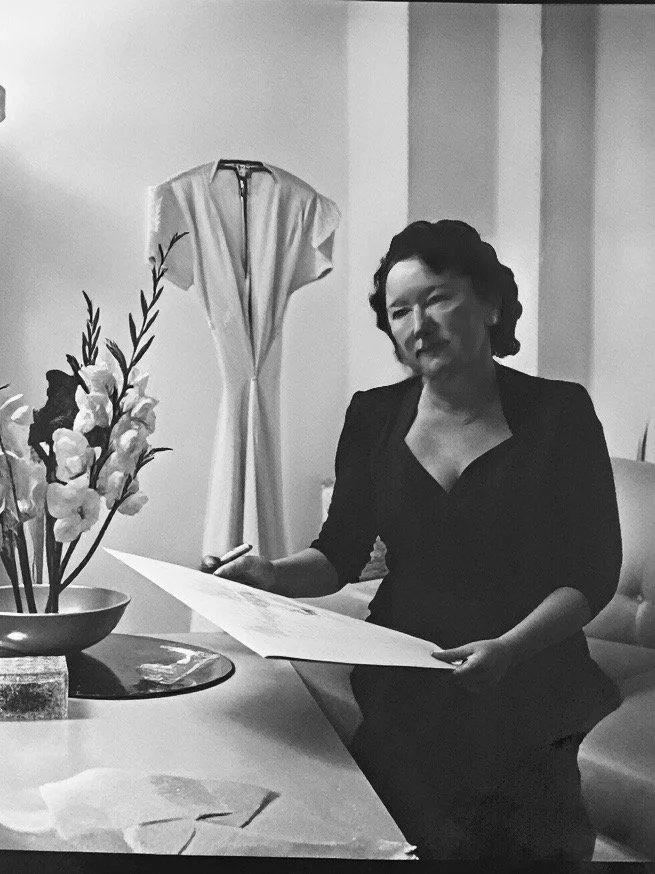
JUEL PARK LINGERIE
A Beverly Hills Couture Lingerie House
Founded in Beverly Hills on November 4, 1929, Juel Park Lingerie opened its doors on Wilshire Boulevard at the dawn of Hollywood’s most transformative era. From its earliest days, the house established itself as a destination for couture lingerie, serving women whose lives unfolded both under studio lights and beyond public view. As the business evolved, Juel Park later operated from Rodeo Drive and subsequently Robertson Boulevard, maintaining a continuous presence within Beverly Hills’ shifting fashion landscape.
From the 1930s through the Golden Age of cinema, with its legacy extending through 1994, Juel Park created exquisitely hand-crafted slips, negligées, peignoirs, robes, and intimate apparel. Each piece was designed with couture precision and worn on set and off set, reflecting the intimate role of couture lingerie in Hollywood life.
Today, this website serves as an ongoing archival and preservation project dedicated to safeguarding the history, artistry, and cultural legacy of Juel Park Lingerie. Through original garments, Hollywood publicity imagery, design sketches, editorial references, and family-held materials, the archive offers a rare and intimate record of a couture house whose work shaped the unseen foundations of Old Hollywood style.
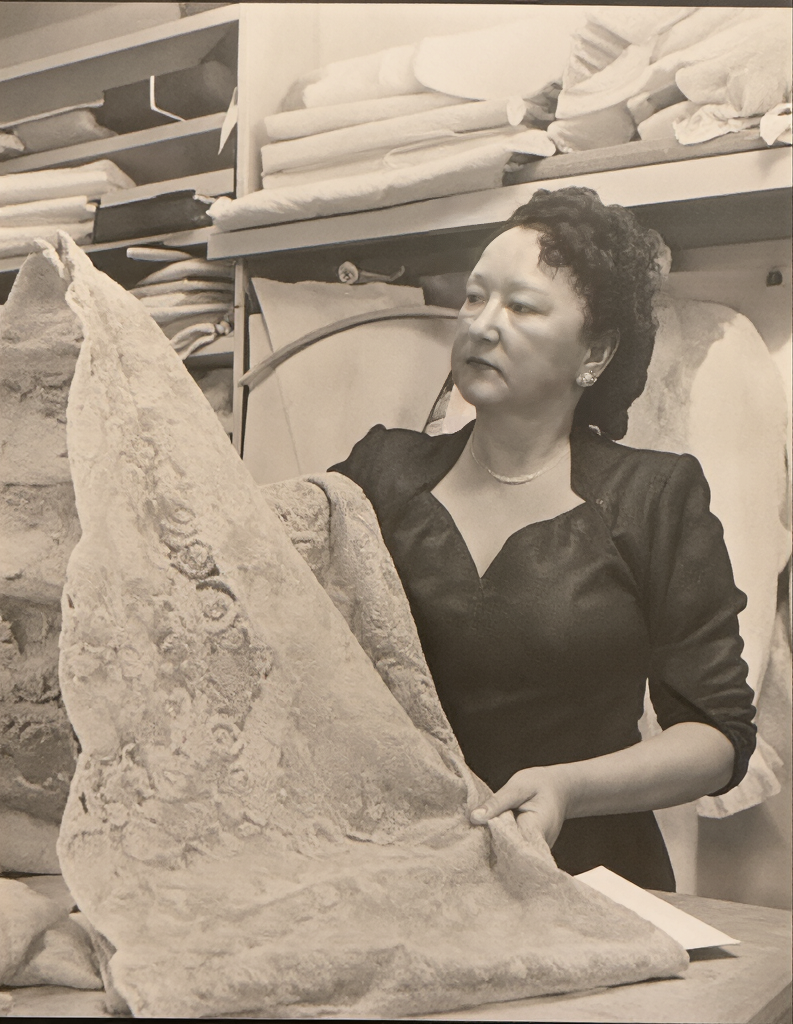
FABRICS & LACE
In the world of Juel Park Lingerie, fabric was never chosen for display alone, but for how it would feel in motion and in life. Each piece began with the quiet selection of materials—silks that moved easily, chiffons that held light, satins that offered structure without weight. These were garments meant to be lived in, long before they were ever seen.
Nearly all fabrics, laces, and trims were sourced from France, reflecting a devotion to the traditions of European textile craftsmanship. Among them were fine French laces, including Alençon lace, valued for its clarity of pattern and delicate hand. These materials carried a lineage of their own, chosen not for excess, but for refinement and restraint.
Lace was treated as an integral part of design rather than ornament. Appliqués and details were shaped entirely by hand—each motif carefully cut, positioned, and finished to follow the lines of the body. Nothing was hurried. Nothing was repeated without purpose. The placement of lace was as considered as the cut of the garment itself.
Across decades of changing fashion, this approach remained constant. Materials evolved, availability shifted, but the philosophy endured: lingerie should serve the woman wearing it, offering comfort, confidence, and quiet elegance. The result was work that resisted trends and instead reflected time, patience, and skill.
Today, the surviving garments tell this story without explanation. The lace still holds its form. The fabrics retain their movement. In their details, one can still see the hand at work—and the unseen care that shaped the foundations of Old Hollywood glamour.
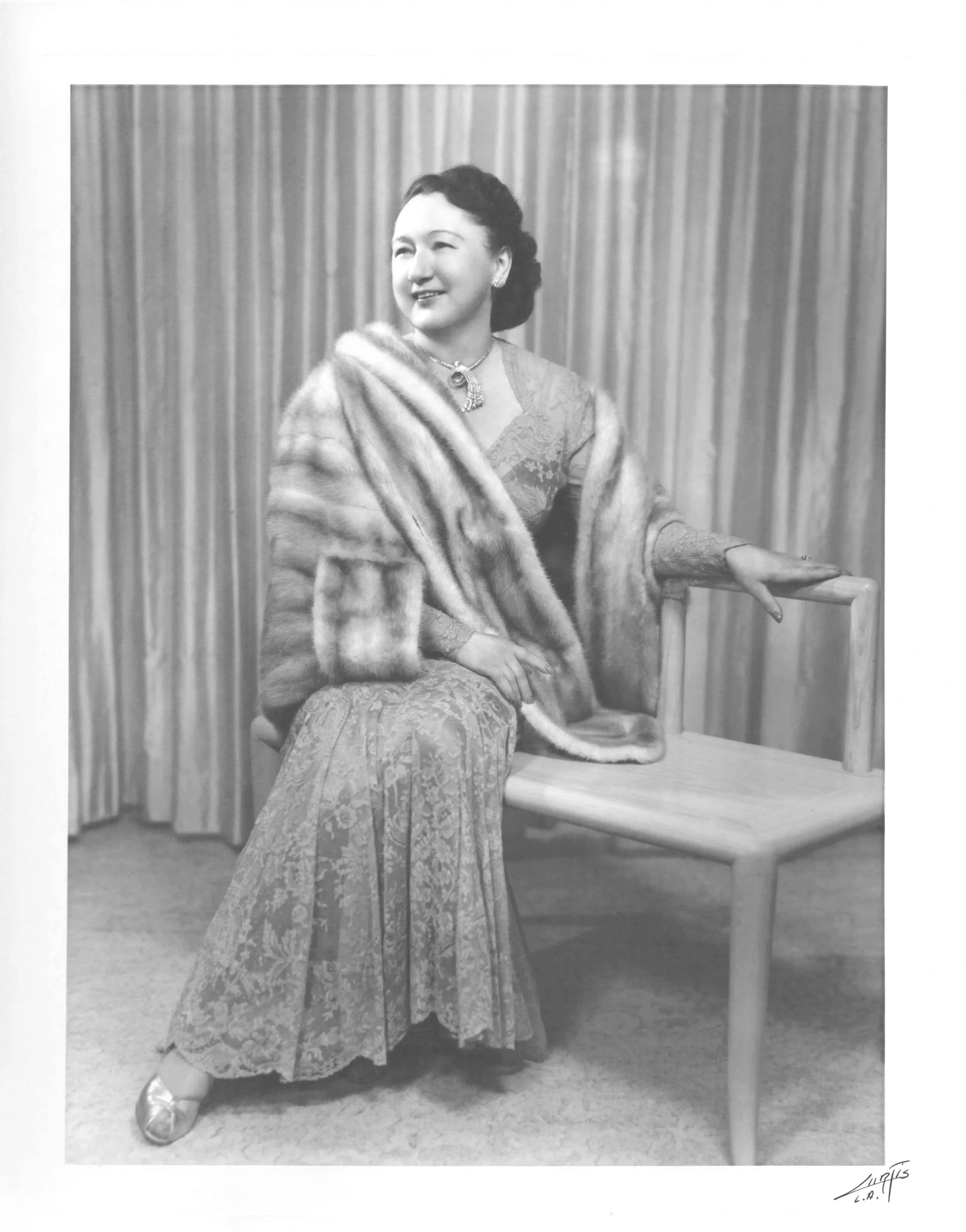
JUEL PARK
Founder • Designer • Proprietor
Juel Park’s path to becoming one of Beverly Hills’ most discreet couture lingerie designers began at home. From an early age, she was taught the fundamentals of sewing, handwork, and garment construction by her mother—learning not only technique, but discipline, patience, and a deep respect for craft. This early training formed the foundation of a lifelong commitment to precision and finish that would later define her work.
As a young woman, Juel Park arrived in Los Angeles at a moment when both the city and the film industry were still taking shape. Her early experiences in performance, dance, and hospitality placed her within Hollywood’s creative orbit, offering an intimate view of the world behind the screen—where glamour was constructed quietly, long before it appeared in public.
Drawn to a medium that could be shaped entirely by hand, she found her language in lingerie. Unlike garments worn publicly, intimate apparel required a deeper understanding of the body, movement, and confidence. Her work emphasized fit, fabric selection, and meticulous finish, executed with the same discipline and care as couture dressmaking.
When Juel Park opened her doors in Beverly Hills on November 4, 1929, she did so just days after the stock market crash that marked the beginning of the Great Depression. In a moment defined by uncertainty, she chose to build rather than retreat—establishing a house rooted in quality, restraint, and resilience.
From the outset, her designs balanced sensuality with structure. They were garments meant to be trusted, lived in, and worn privately by women whose public images were carefully shaped for the camera. Over time, this approach earned the loyalty of Hollywood clientele who valued discretion as much as beauty. Juel Park Lingerie became part of the unseen foundation of glamour—present on set and off set, shaping how women felt long before they stepped into the light.
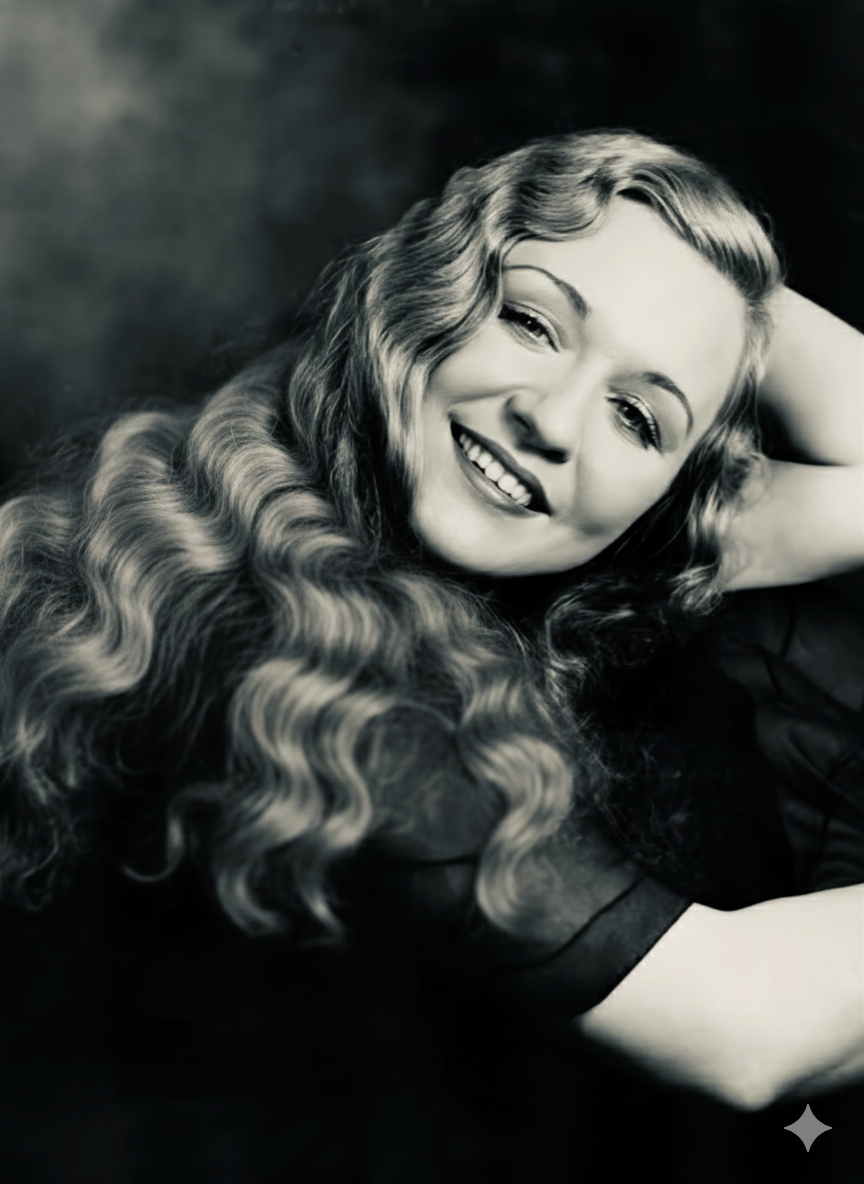
SUE DRAKE
Artist • Designer • Partner
Sue Drake followed her older sister, Juel Park, to Los Angeles shortly after her arrival, and soon began working side by side with her in the early life of the couture house. As Juel Park’s younger sister and a formally trained art student at UCLA, Sue became an essential collaborator—shaping the visual and artistic language through which the house’s designs were conceived, documented, and preserved.
When a garment was commissioned, Juel Park would describe the design in detail, and Sue translated those ideas into watercolor sketches that captured not only the form of the piece, but the individuality of the woman for whom it was created. Often topped with a likeness of the client, these illustrations functioned as both design blueprints and intimate portraits, reflecting the highly personal, made-to-order nature of the house.
At a time when couture lingerie was rarely documented with care, Sue’s work preserved the artistry behind each creation. Her drawings recorded silhouettes, fabrics, trims, and proportion with remarkable precision, offering a rare visual record of a discipline that largely existed beyond public view.
When Juel Park passed, Sue Drake carried the work forward, continuing the business with the same discretion, discipline, and devotion to craft that had defined the house from its beginning. Having worked side by side with her sister for years, she ensured that the visual language, standards, and spirit of Juel Park Lingerie endured.
Through Sue Drake’s hand, Juel Park Lingerie became more than a couture house—it became a living archive, honoring both the garment and the woman it was created for.
EDWINA DRAKE-SKAFF
Model • Seamstress • Preserver of the House’s Tradition
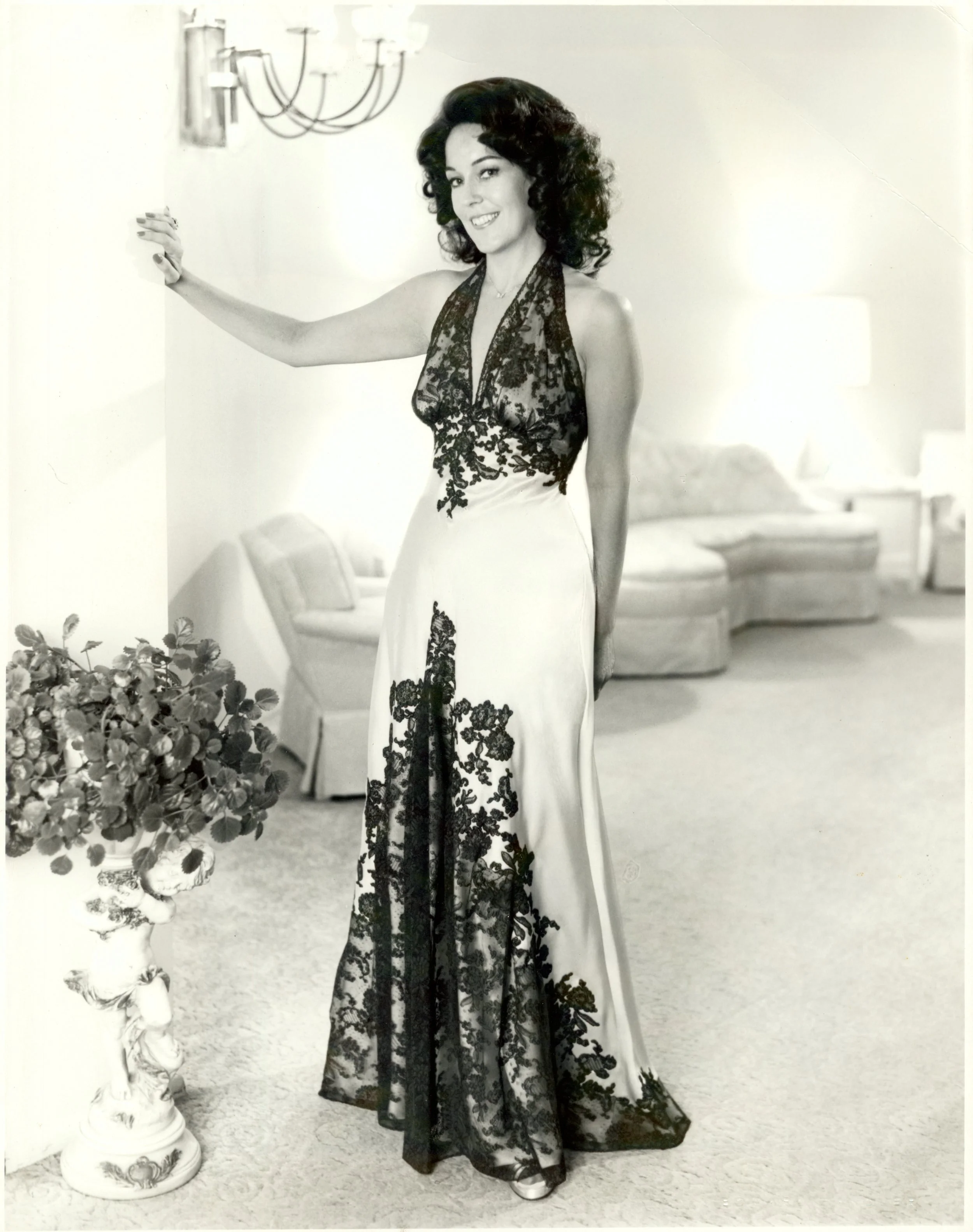
Edwina Drake-Skaff entered the world of Juel Park Lingerie at just fourteen years old, stepping into the atelier not only as family, but as an active presence in its daily work and creative rhythm. From an early age, she absorbed the discipline, precision, and quiet elegance that defined Juel Park’s approach to couture lingerie.
Occupying the rare dual role of model and seamstress, Edwina worked both behind the scenes and before the camera. She assisted with construction, fittings, and finishing, while also appearing in publicity photographs that captured the garments in motion. Her intimate understanding of how each piece was made shaped the way she wore them—bringing authenticity, confidence, and lived understanding to every image.
Following the closure of the Robertson Boulevard boutique, Edwina guided Juel Park Lingerie into a more private chapter, continuing the work from home for a select and trusted clientele. In this setting, the house returned to its most essential form: personal fittings, handcrafted garments, and one-of-a-kind pieces created quietly and deliberately for women who valued discretion, quality, and continuity.
Through decades of change in fashion and culture, Edwina remained closely tied to the house, preserving its standards long after the original retail era had passed. Her role stands as a living bridge between generations—connecting the founding atelier to its most intimate and enduring expression.
Edwina Drake-Skaff’s life within Juel Park Lingerie is not simply a chapter in its history, but an unbroken thread—woven through craftsmanship, memory, and devotion to the artistry of the house.
SUZANNE SKAFF
Archivist• Brand Curator • Fourth Generation Brand Director
Carrying the Juel Park Legacy Forward
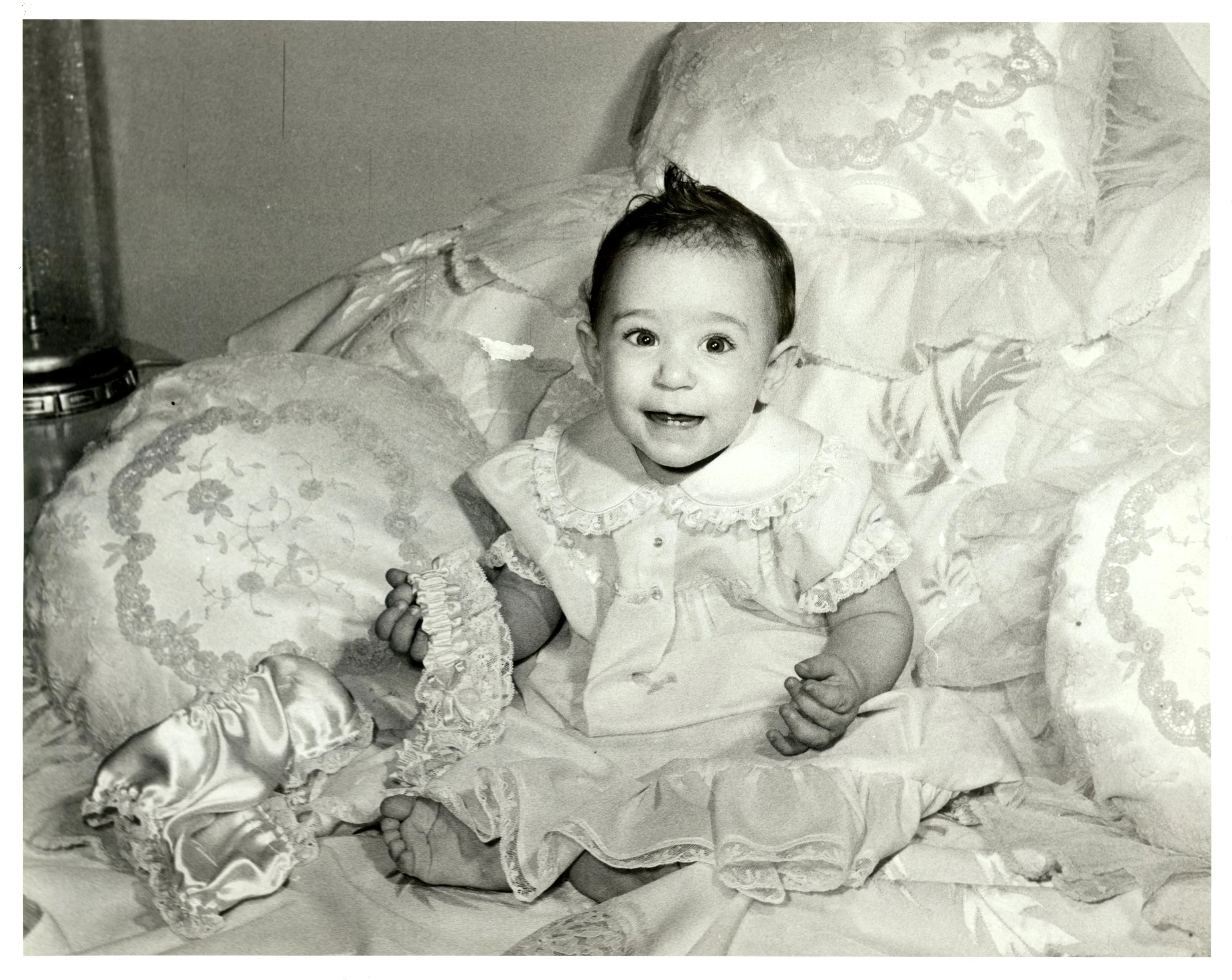
I grew up around Juel Park Lingerie. As an infant, I was brought into the Rodeo Drive boutique, and as I got older, my afternoons were spent at the Robertson Boulevard location. It was simply where I went after school—a familiar place that became part of my everyday life.
Most days, I stayed in the back workroom with the seamstresses—Lolly, Terry, and Inez—while my mother and grandmother met with clients. The workroom was calm and steady, filled with fabric, patterns, and the quiet focus of hands at work. To me, it felt normal and comforting, not extraordinary.
I was always curious about what was happening beyond the curtains in the large dressing room. I remember watching them closely, wondering who might be standing there during fittings. At the time, I didn’t know who the clients were or why those moments mattered. I only sensed that something important was taking place just out of sight.
Like any child, I found ways to play. I loved trying on the Lucite slippers and walking around the boutique, pretending I was selling clothes to celebrities. It was innocent imagination—shaped by mirrors, fabrics, and the quiet routines of the space.
Only later did I understand how rare that environment was. What felt ordinary to me as a child was, in fact, a working couture atelier, sustained by craftsmanship, discretion, and generations of women. That early familiarity—being present, observing, and imagining—became the foundation for how I now care for and preserve the legacy of Juel Park Lingerie.